
 591 お客様のコメント
 クリック」
クリック」
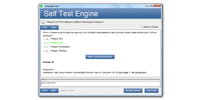

PMI PMP - Project Management Professional (2026)は専門性の高い試験として知られ、十分な準備なしに臨むには不安が残ります。JPNTestのPMP練習問題は本試験の出題範囲に沿った189の問題で構成されており、2026年の試験対策にも対応しています。
PMI PMP 試験概要:
| 認定ベンダー: | PMI |
|---|---|
| 試験名: | Project Management Professional |
| 試験番号: | PMP |
| 受験料: | $405 USD (PMI members) / $555 USD (non-members) |
| 認定の有効期間: | 3年間(更新には60 PDUが必要) |
| 試験時間: | 230 分 |
| 出題数: | 180 |
| 合格点: | 固定なし(コンピテンシーベースのモデル) |
| 関連資格: | PgMP PMI-PBA PMI-ACP CAPM PMI-RMP |
| 試験形式: | マッチング, 複数選択問題, 単一選択問題, ホットスポット |
| 対応言語: | English, Japanese, Traditional Chinese, Spanish, Simplified Chinese, Korean |
| サンプル問題: | PMI PMP サンプル問題 |
| 受験方法: | Pearson VUE試験センターでのコンピュータベース試験(CBT)またはオンライン監督試験 |
| 前提条件: | 中等教育修了資格(高校卒業資格、準学士号、またはそれに相当する世界的同等資格)と、プロジェクトの指揮・統率に関する7,500時間 + プロジェクトマネジメント教育35時間、または4年制学位と、プロジェクトの指揮・統率に関する4,500時間 + プロジェクトマネジメント教育35時間 |
| 公式シラバスのURL: | https://www.pmi.org/certifications/project-management-pmp |
PMI PMP 試験シラバストピック:
| セクション | 比重 | 目標 |
|---|---|---|
| Business Environment (Business Environment Domain) | 8% | - 組織戦略
|
| People (People Domain) | 42% | - チームのパフォーマンス
|
| Process (Process Domain) | 50% | - 計画とスケジューリング
|
PMP試験のFAQ
「PMP」は、PMIが実施する「Project Management Professional」の試験コードです。この試験に合格すると、「Project Management Professional」の認定を取得できます。認定レベルはExpertに位置づけられています。関連する認定としては、CAPM・PgMP・PMI-ACP・PMI-PBA・PMI-RMPなどが挙げられます。JPNTestでは、PMP試験対策として189の練習問題をご用意しています。
PMP試験の出題数は180、制限時間は230 分です。限られた時間内で全問に取り組む必要があるため、1問にかけられる時間を常に意識し、難しい問題に長く留まりすぎないペース配分が求められます。本番で時間不足に慌てないよう、JPNTestのテストエンジンで制限時間つきの模擬試験に挑戦し、時間配分の感覚を体に覚えさせておくことをおすすめします。
PMP試験の合格ラインは固定なし(コンピテンシーベースのモデル)、受験料は$405 USD (PMI members) / $555 USD (non-members)です。万が一不合格だった場合、再受験には改めて全額の受験料が必要になるため、費用面の負担も無視できません。受験前にJPNTestの189の練習問題で模擬試験に取り組み、安定して合格ラインを超えられることを確認してから本番に臨むと安心です。
中等教育修了資格(高校卒業資格、準学士号、またはそれに相当する世界的同等資格)と、プロジェクトの指揮・統率に関する7,500時間 + プロジェクトマネジメント教育35時間、または4年制学位と、プロジェクトの指揮・統率に関する4,500時間 + プロジェクトマネジメント教育35時間
受験条件は変更される場合があります。最新かつ正確な情報は、PMIの公式ページで必ずご確認ください。
はい、ご購入前にJPNTestのPMP問題集の無料サンプル(PDFデモ)をダウンロードして、問題の品質や形式をご確認いただけます。ご購入後は365日間の無料更新が付帯し、更新期間の終了後も50%割引で継続更新をご利用いただけるため、常に最新の出題傾向に沿った内容で学習を続けられます。
JPNTestでは「返金保証」制度をご用意しています。ご購入後60日以内にPMP試験を受験して不合格となった場合、全額返金をご申請いただけます。なお、ご購入後3日以内の受験や、ダウンロード後に実際の受験をしていない場合、無料資料や期限切れのご注文は対象外となり、受験者氏名とお支払い者氏名が一致している必要があります。ご申請の際は、受験票(enrollment slip)の写しと公式スコアレポート(Score Report)のPDFを試験後2日以内にご提出いただき、受理後7日以内に手続きが完了します。返金をご希望でない場合は、同等価値の試験資料2点を無料でお受け取りいただき、元の製品の更新サービスを継続する選択肢もございます。
また、ご購入いただいた製品はお支払い完了後すぐにダウンロードでき、メールでも1分以内にお届けします。2時間以内に届かない場合はカスタマーサポートまでご連絡ください。インストール可能なパソコンの台数に制限はありません。
PMP試験の出題範囲は、全部で3分野で構成されています。主な分野としては、「Process (Process Domain)」(50%)、「Business Environment (Business Environment Domain)」(8%)、「People (People Domain)」(42%)などが挙げられます。各分野の詳細なトピックと配点は、上記の試験大綱をご確認ください。JPNTestのPMP練習問題は、これらの出題分野を幅広くカバーしています。
PMI PMP - Project Management Professional (2026) 認定 PMP 試験問題:
A project manager is leading an iterative project to develop a very innovative product. However, a group of stakeholders are hesitant because the high complexity of the product involves many business rules.
What should the project manager do?
- A. Ensure that project iterations deliver early wins to build credibility.
- B. Meet with the project team to devise a plan to build credibility.
- C. Seek advice from other project managers within the company and review their methods to build credibility.
- D. Present another iterative project that has been completed by the project team recently to build credibility.
正解:A 🗳️
解説: (JPNTest メンバーにのみ表示されます)
A project manager is responsible for building a new data center and developing new monitoring software before a fixed deadline. Although the software features are not fully defined, the project scope is set, and a contract has been signed.
What should the project manager do?
- A. Manage the two components using the same incremental delivery approach.
- B. Start with the construction milestone and plan for incremental software delivery.
- C. Create a health dashboard for the construction and software component efforts.
- D. Form a steering committee to review the weekly project status and manage risk.
正解:B 🗳️
解説: (JPNTest メンバーにのみ表示されます)
A project manager needs to unexpectedly leave a critical project for valid reasons. How should the project manager prepare the knowledge transfer with the self- managed team to help ensure the project continues?
- A. Write a detailed project handover document outlining the project status, key tasks, timelines, and responsibilities and share it with the team.
- B. Delegate project responsibilities to the most senior team member and rely on their expertise to help ensure the knowledge transfer.
- C. Organize project management workshops with the team to collectively review and document project status, tasks, and responsibilities.
- D. Plan informal knowledge transfer sessions with team members, focusing on key project areas such as vendor management and communication.
正解:C 🗳️
解説: (JPNTest メンバーにのみ表示されます)
A team lead tells the project manager about a potential issue. Two project teams are working on parts of a project that are highly dependent on each other. The team lead is concerned that this might create integration issues when the two teams ' outputs are combined.
What should the project manager do?
- A. Set up periodic meetings between the teams to monitor each other ' s work and document issues.
- B. Identify which team ' s work should take precedence and then sequence the other team ' s work to avoid conflict.
- C. Instruct both teams to continue working simultaneously, and address conflicts during the testing phase.
- D. Make a list of conflicts as they occur and assign a dedicated team resource to take corrective actions immediately.
正解:A 🗳️
解説: (JPNTest メンバーにのみ表示されます)
Health Records Modernization at Hospital Case Study
A project manager led a health records modernization project at a hospital with a project budget of $US5 million and an 18-month timeline. The project involved multiple stakeholder groups including medical, administrative, and IT staff; board members; patients; insurance companies; external vendors; regulatory bodies; and union representatives.
Stakeholder management was complex and a major undertaking for the project manager, but it was critical to achieve a positive project outcome. When the project started, the project manager conducted stakeholder analysis, using the information to create both a power/interest and an influence/impact matrix. The analysis showed that while the hospital board members and regulatory bodies had high power but moderate interest, the medical staff (doctors and nurses) had both high influence and high impact on the project. Administrative staff showed high interest but lower power, while patients and insurance companies had moderate interest and varying levels of influence. Based on the analysis, the project manager created a stakeholder engagement strategy that documented expectations, communication preferences, and influence levels in a stakeholder register. The project manager also made a RACI (responsible, accountable, consulted, informed) chart to show roles and responsibilities; and created communication channels and frequency for each stakeholder group, an issue escalation system, and a feedback system for continuous stakeholder input.
To execute the modernization process of health records, the project manager realized that medical staff members would need to change their daily workflows. To facilitate change management for these stakeholders, the project manager created a clinical advisory committee, appointed department-specific
"champions," created focus groups for requirements gathering, started a training program, and developed key performance indicators (KPIs) to measure satisfaction.
During project execution, several challenges emerged. The doctors expressed concerns about the system's impact on patient care, the nurses' union raised workload concerns, the IT department faced resource constraints, the insurance companies requested additional features, and the administrative staff worried about data security. The project manager responded to these challenges by increasing the frequency of stakeholder meetings, implementing a change management program, creating a beta system for stakeholder testing, developing contingency plans for various stakeholder scenarios, and establishing an issue resolution process.
Despite these mitigation efforts, the medical staff required additional training, leading to a change request for a 2-month extension and a 10% budget increase. The board of directors approved this to help ensure high adoption and satisfaction rates among staff members. The project helped establish new good practices in future programs for stakeholder management in the organization's project management office (PMO). The documented lessons learned became a reference for future projects of similar scope and complexity.
During the execution phase of a project to modernize a hospital's records system, the insurance company stakeholders requested additional features to support integration to their systems.
What should the project manager do first?
(Refer to the Health Records Modernization at Hospital Case Study exhibit.)
- A. Review the scope changes for validity and then notify the sponsor of the changes.
- B. Contact the union representative to understand the necessity of the additional work.
- C. Add the critical features to the scope in order to maintain stakeholder satisfaction.
- D. Evaluate the potential impact on the baseline and then present a change request.
正解:D 🗳️
解説: (JPNTest メンバーにのみ表示されます)


 0
0
 0
0
 0
0
 0
0
